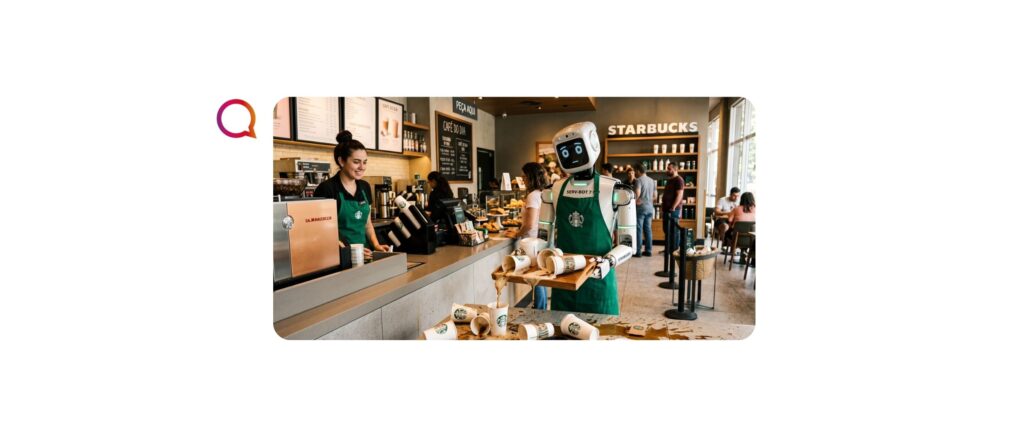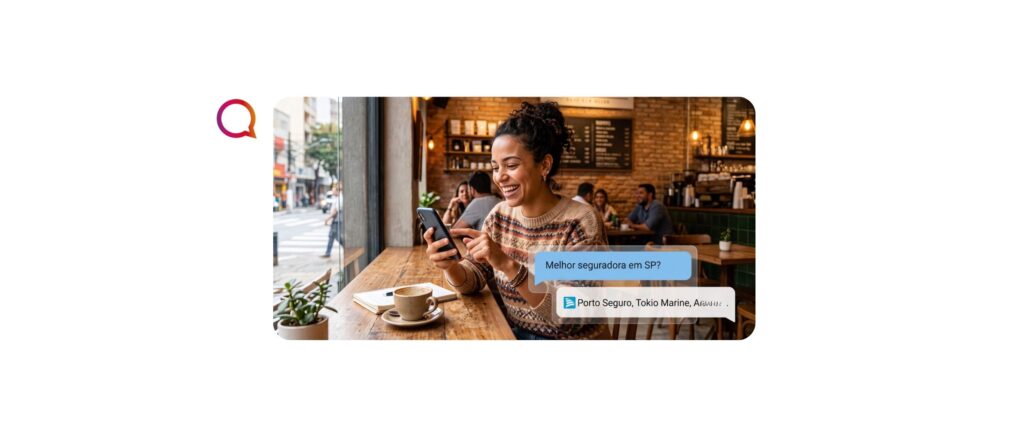

Increasingly, people are driven by impulses, desires, and emotions when making purchases, often setting aside rationality.The advancement of technology, globalization, and the increasing availability of products and services have created a culture of rampant consumerism. In this scenario, what we can call "the era of the irrational consumer" has emerged..
This behavioral change can be attributed to several factors, such as the ease of access to information and products through the internet, the influence of social media, and the culture of rampant consumerism.
An irrational consumer is one who acts impulsively, driven by immediate desires and fleeting pleasures. There is no deep reflection on the real value of what is being acquired, on the environmental consequences, or on the long-term financial implications. What matters is instant gratification, immediate satisfaction.
This irrational behavior can have negative consequences, both for individuals and for society as a whole. People who are in debt, frustrated, and dissatisfied with their purchases are increasingly common. Furthermore, Excessive and unrestrained consumption has serious environmental and social impacts, such as the depletion of natural resources, the generation of waste, and the exploitation of labor.
Given this scenario, it is important to rethink our consumption habits and seek a more balanced and conscious relationship with consumption. It is necessary to prioritize quality over quantity, opt for brands and products that value sustainability and social responsibility, and above all, make more conscious and informed choices.
Only in this way can we build a more just and balanced world, where consumption is a conscious and responsible practice, capable of promoting individual and collective well-being.
This mentality has been fueled by a number of factors. Advertising plays a crucial role in creating an idealized image of happiness and success associated with the consumption of certain products. Social media also plays an important role, creating a culture of "having" rather than "being," in which the acquisition of material goods is seen as a form of validation and social status.
READ ALSO: "E-commerce: A positive legacy of the pandemic"
READ ALSO: "How to boost sales through WhatsApp?"
Era of the Irrational Consumer impacts Digital Marketing
Companies also contribute significantly to this reality by investing in increasingly aggressive and persuasive marketing strategies that exploit consumers' feelings and desires.
Furthermore, the companies They must also be prepared to handle criticism and negative feedback from consumers. Ultra-rational consumers are very critical and do not hesitate to share their opinions on social media and other communication channels. Therefore, companies must be prepared to handle negative feedback and respond quickly and efficiently to such criticism, seeking solutions and improvements to meet consumer demands.
In this context, The irrational consumer is often swayed by seductive promotions, flash discounts, and irresistible offers.He buys on impulse, often acquiring things he doesn't need, just to fill a temporary emotional void or follow a passing trend.
SEE ALSO: “10 Things Google Bard Does Better Than ChatGPT”
SEE ALSO: ChatGPT can program and create chatbots.“